Based at the Fox Center for Humanistic Inquiry and sponsored by the Andrew W. Mellon Foundation and the Emory College Office of Faculty, our initiative aims to support the development and publication of digital and open access monographs by Emory faculty.
Supported Publications
The Digital Publishing in the Humanities program supports the broad dissemination of new scholarship by Emory authors through subventions for open access made directly to publishers.

New Release
In this enhanced digital book, Kristen Wendland shows how yoga transformed the life and practice of famed violinist Yehudi Menuhin.
New Release
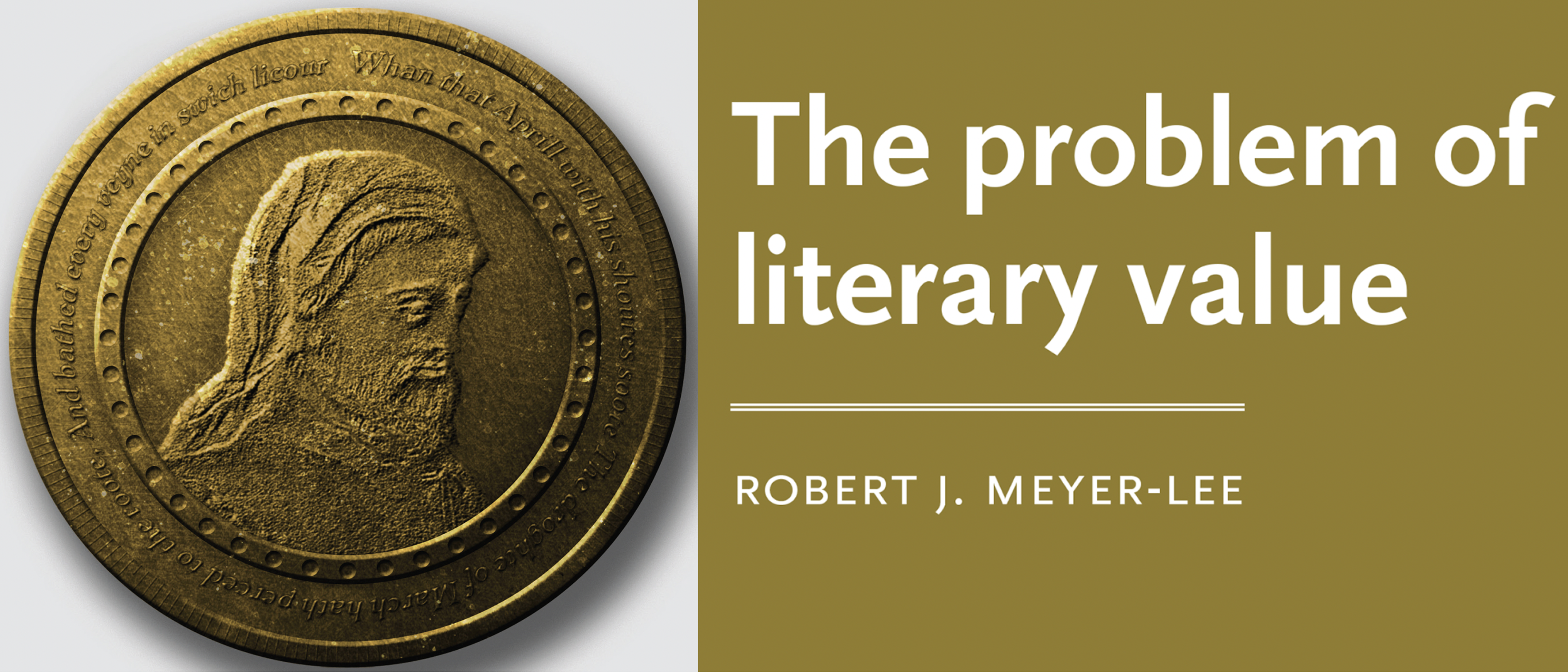
Literary value has been a topic of debate since Plato’s critique of poetry. But since the so-called "canon wars" of the last century, the debate has acquired a new urgency. In The Problem of Literary Value (Manchester UP, 2023), Robert Meyer-Lee proposes a new approach to literary valuing.
Project Spotlight
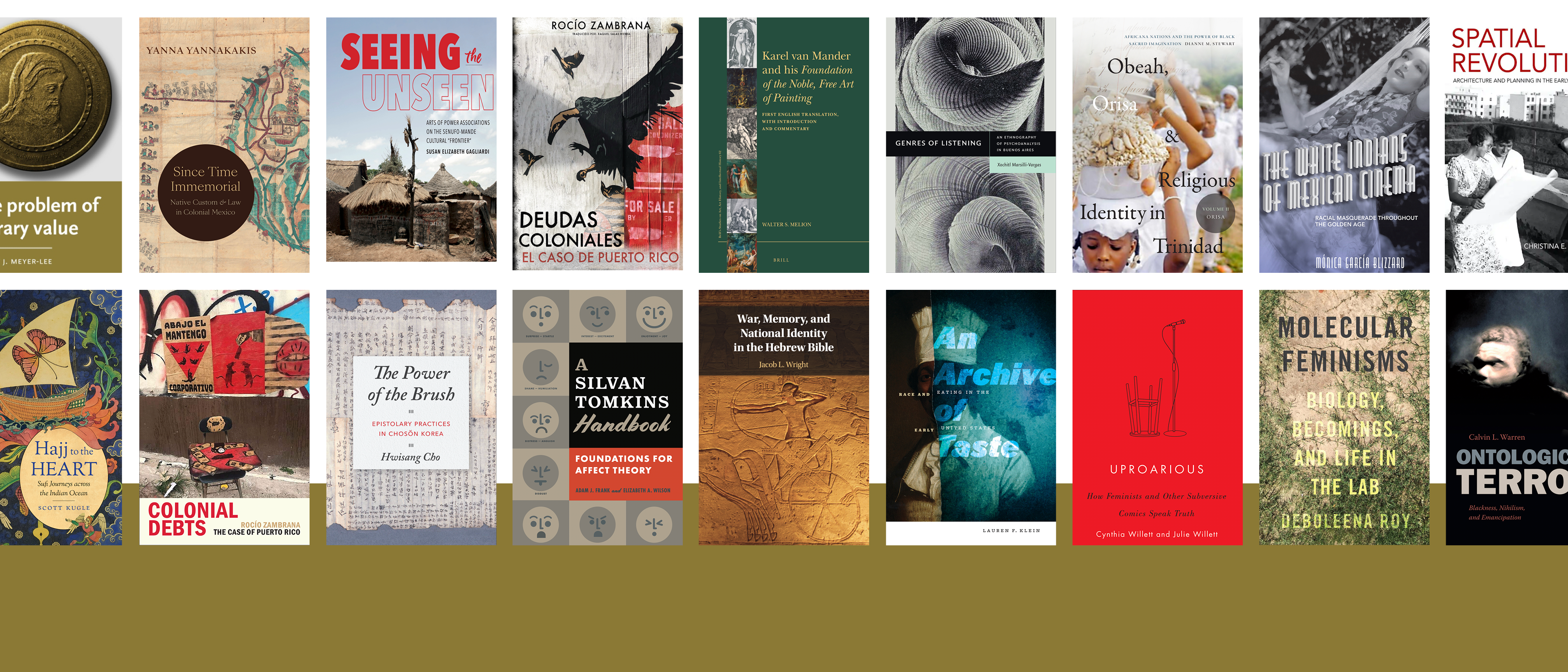
Seeing the Unseen: Arts of Power Associations on the Senufo-Mande Cultural "Frontier"
How do arts convey the existence of potent knowledge without revealing details of that knowledge?
In Seeing the Unseen, art historian Susan Elizabeth Gagliardi examines tensions between the seen and unseen that makers, patrons, and audiences of arts in Western West Africa negotiate through objects, assemblages, and performances. Gagliardi examines how ambiguity anchors the design of the arts, and she shows that attempts to determine exact meanings miss the point. Through attention to many ways of seeing and knowing, Seeing the Unseen opens new possibilities for the study of so-called historical or classical arts of Africa grounded in the specificity of individual works, their making, and their reception.